UA Action Card Recognized with National Social Networking Award

The University of Alabama’s Action Card Office was presented with the 2016 National Association of Campus Card Users’ Best Social Networking and/or Website Award at the 23rd annual NACCU conference in San Francisco.
UA Design/Production Team Wins National ADDY Award

The Office of Design/Production in The University of Alabama’s Division of Strategic Communications has received a National ADDY in the American Advertising Awards competition.

UA In the News — May 6

Job prospects up for grads — Arts Renaissance boosts creativity in schools — A look at the unemployment rate in Alabama — and more.

UA’s May Interim Session Offers Variety of Unusual Classes

Professors at The University of Alabama are offering a number of thought-provoking and unusual classes during UA’s May Interim session, which runs from Monday, May 9, through Friday, May 27.

UA Scientists Cite Evidence that Mosasaurs Were Warm-Blooded

Mosasaurs – an extinct group of aquatic reptiles that thrived during the Late Cretaceous period – possibly were “endotherms,” or warm-blooded creatures, a paper co-written by a University of Alabama professor suggests.

UA In the News — May 5

Graduates look toward life after UA — Studying Cuban forests — UA, NASA and earthquakes — and more.

UA Professor Named Library Diversity Research Honoree

The American Library Association named The University of Alabama’s Dr. Jamie Campbell Naidoo as its 2016 Achievement in Library Diversity Research honoree.

UA In the News — May 4

Graduation coming up — Program for at-risk youth — Discussing the Holocaust — and more.

UA In the News — May 3

Commencement ceremonies are coming — Project LAUNCH — UA professor looks at the lives of military kids — and more.

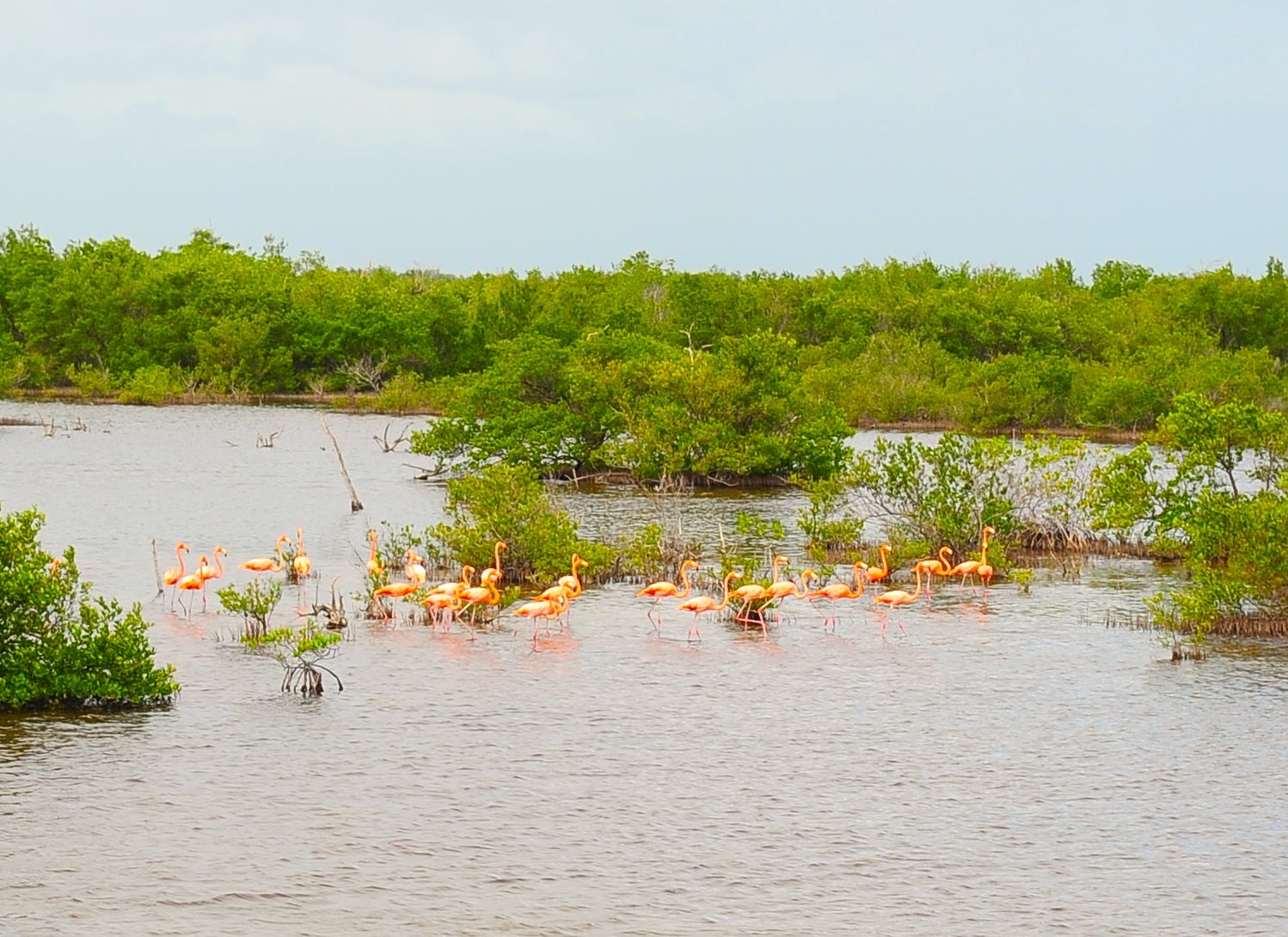
UA Researcher Studies Cuba’s Coastal Forests in Anticipation of Tourism Increase

UA Researcher Studies Cuba’s Coastal Forests in Anticipation of Tourism Increase

Dr. Michael Steinberg, a University of Alabama researcher, is conducting a study of the coastal mangrove forests in Cuba’s Zapata Peninsula and in two national parks. The study uses satellite maps of the park’s coastal mangrove forests from the past 40 years to examine the forests growth or decline during that time frame.